We have made masculinity unnecessarily fragile. Apparently it can survive pressure, responsibility and hardship—but not a piece of fabric without separate legs.
That contradiction has always interested me. A man can be told to lead, protect, endure and think independently, then be warned that one unconventional outfit might undo the whole thing. If masculinity disappears that easily, perhaps what we are defending is not strength. Perhaps it is conformity.
Confidence is not costume
Clothing communicates, but it does not contain our character. A suit cannot make somebody honourable. Workwear cannot make somebody capable. A skirt cannot take masculinity away.
What people often read as masculine is certainty: the sense that a person has made a considered choice and is prepared to inhabit it. That is why the same garment can look apologetic on one person and powerful on another. The difference is not gender. It is ownership.
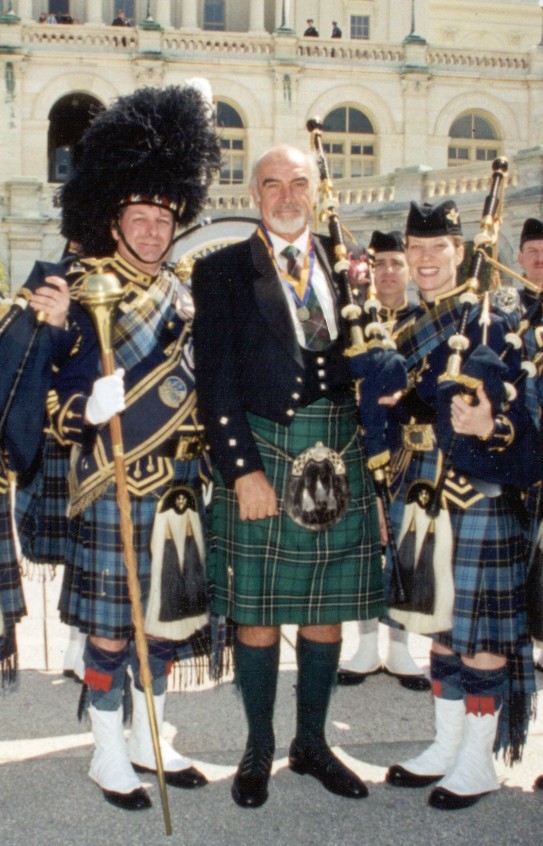
Sean Connery’s public image was hardly weakened by a kilt. If anything, the garment became part of an unmistakably Scottish expression of masculinity. Culture decided that particular skirted garment was acceptable, which reveals the truth: the fabric was never the threat. The rule was simply familiar.
Positive masculinity does not ask men to become less strong. It asks us to stop confusing strength with restriction.
Strength with more room inside it
The masculinity I value has room for kindness, emotion, curiosity, personal style and doubt. It does not need to dominate a room to have presence. It can listen without shrinking, change its mind without collapsing and dress creatively without issuing a defence statement.
This matters beyond fashion. When men are taught that acceptance depends on performing a narrow role, everything outside that role becomes a source of anxiety. We learn to monitor our voices, friendships, interests, bodies and clothes. We call the monitoring discipline, but often it is fear in a respectable jacket.
Wear the character, not the category
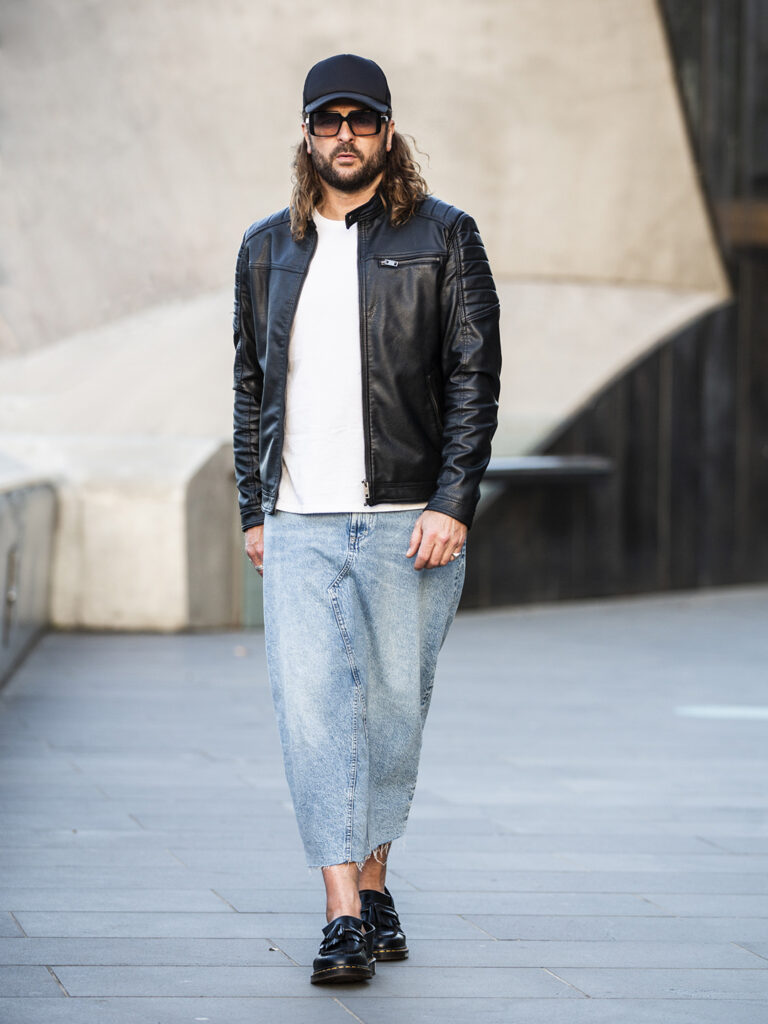
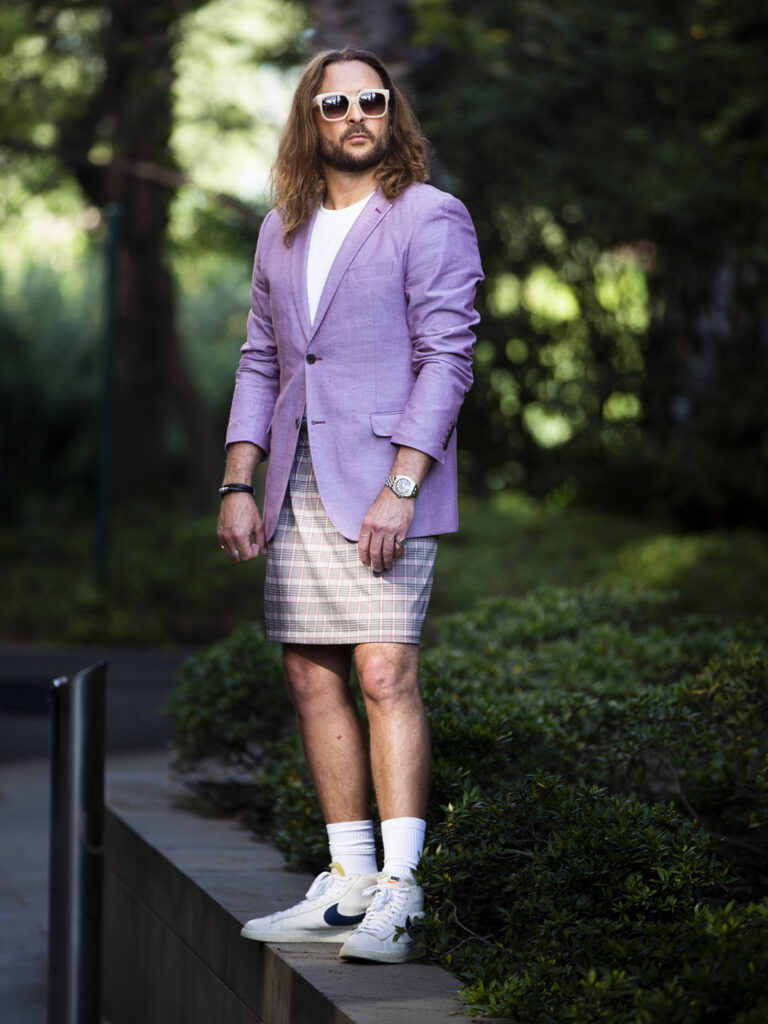
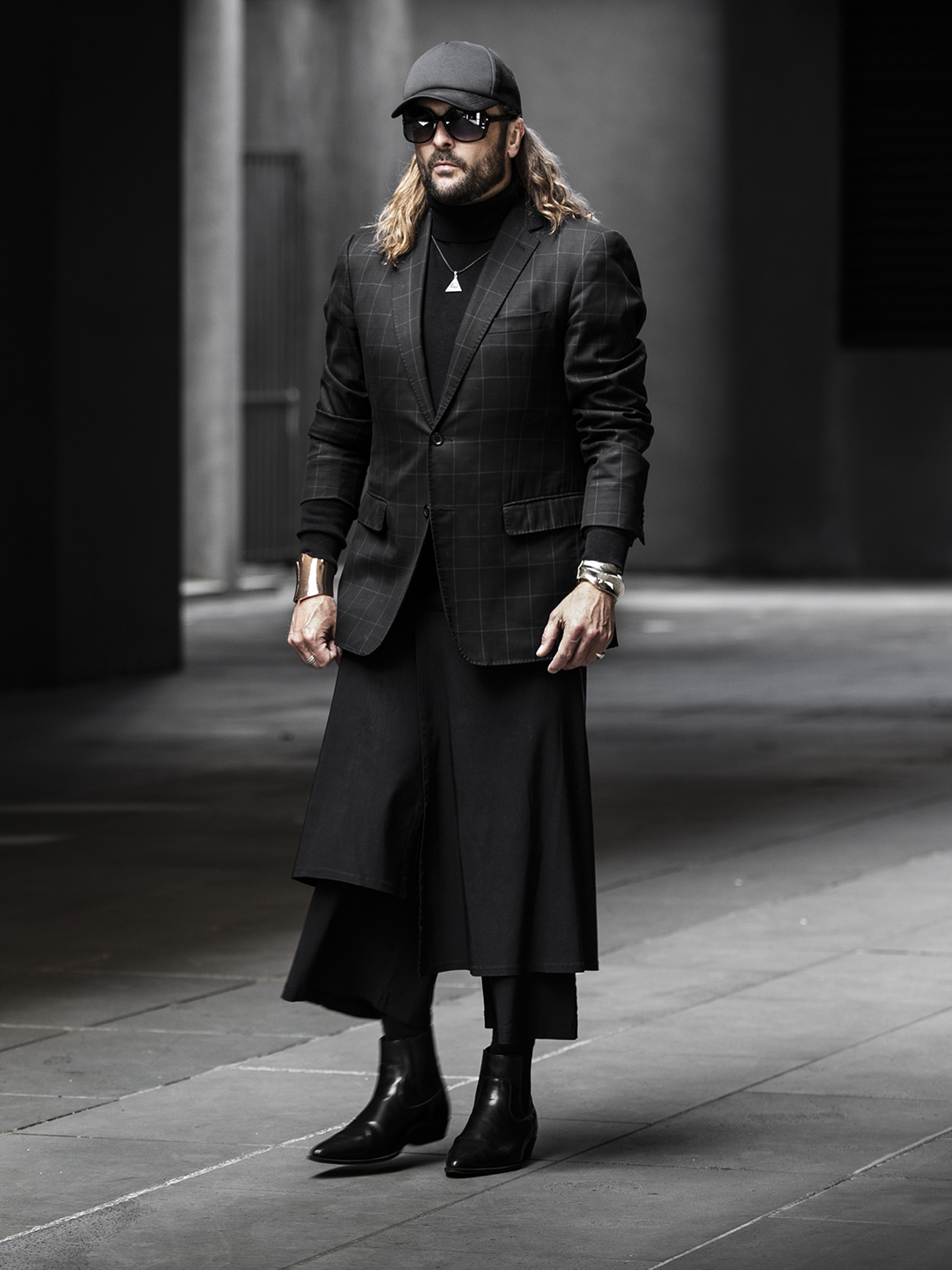
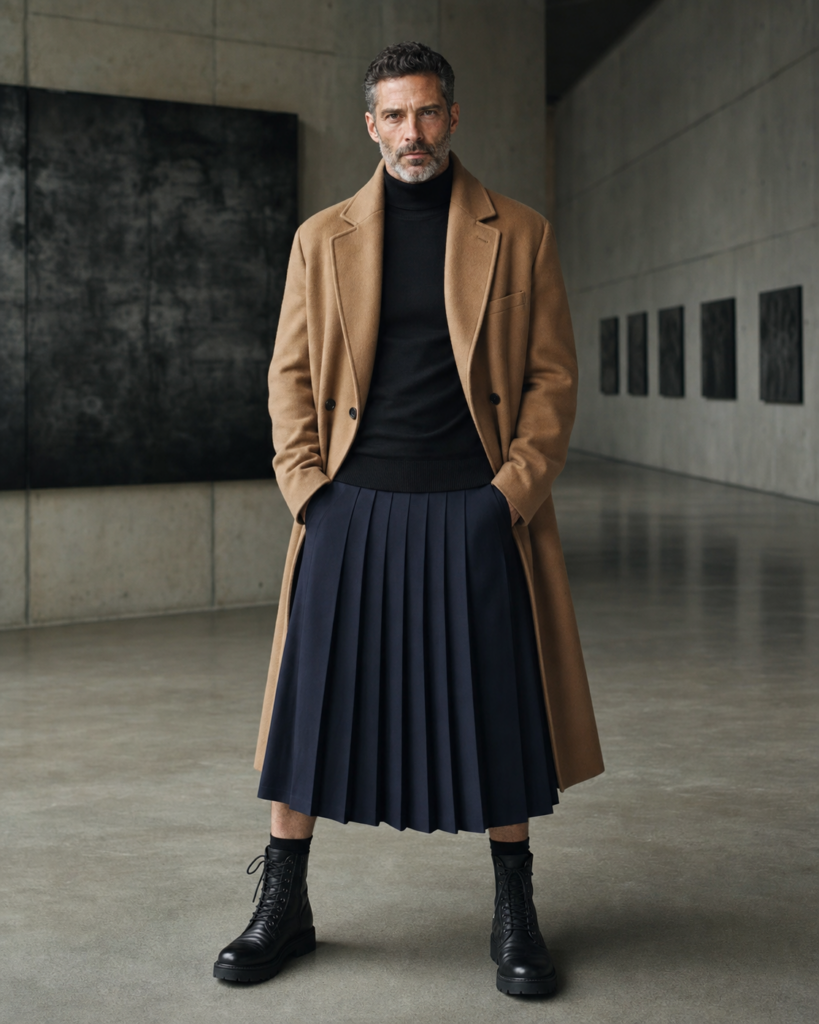
When I combine a skirt with a structured blazer, boots and a strong silhouette, I am not borrowing somebody else’s identity. I am building an outfit around my own. The contrast is the point: fluidity with structure, tradition with modernity, confidence without apology.
You do not have to dress as I do to question the rules you inherited. Ask whether your wardrobe reflects your character or merely avoids criticism. Ask which choices make you stand taller, speak more honestly and feel more present. Keep those.
The most masculine thing a man can wear is not a suit, a uniform, denim or a kilt. It is confidence grounded in self-knowledge. Everything else is styling.