A wardrobe can look full and still contain very little of the person who owns it.
There are the approved clothes: reliable, appropriate, difficult to criticise. Then there are the private clothes—the jacket bought with excitement, the colour never worn outside, the silhouette saved for a future version of yourself who is somehow allowed more freedom.
The distance between those two wardrobes is often the distance between presentation and identity.
Look for the evidence, not the aspiration
Your wardrobe records patterns. Which garments are worn until they soften? Which remain perfect because courage was expected to arrive first? Which purchases were made for a fantasy life, and which were abandoned because they came too close to the real one?
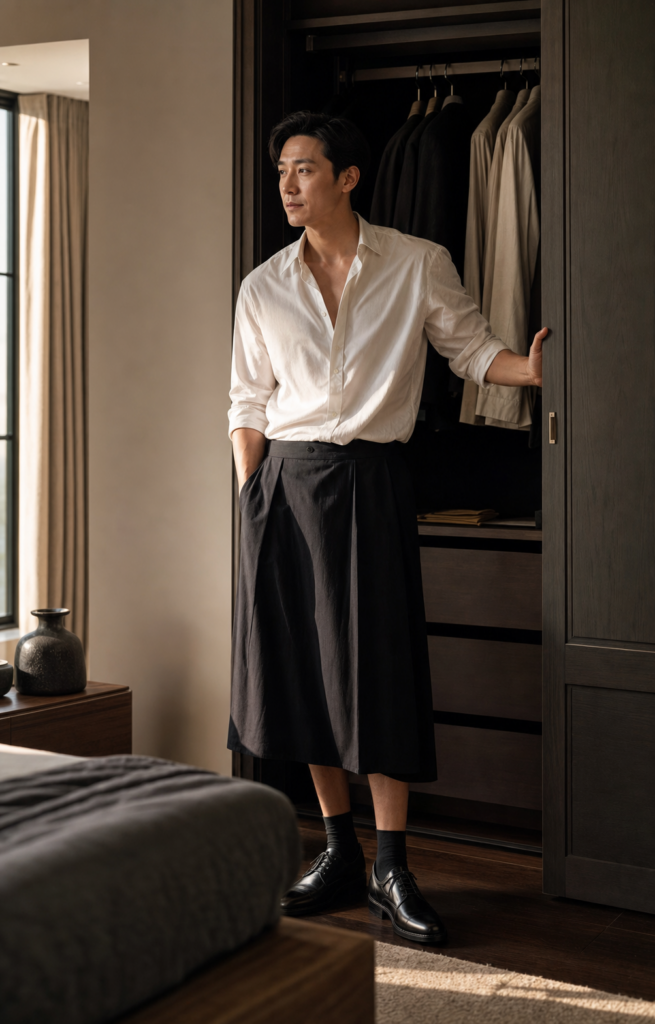
Do not judge the answers. Curiosity is more useful. A hidden garment may represent genuine desire, an outdated self-image or simply a mistake. The point is to understand why the decision keeps repeating.
Style becomes authentic when the clothes you save for “someday” begin participating in your actual life.
Hiding can look very respectable
We often imagine hiding as obviously timid, but it can be beautifully tailored. It can follow every rule, attract compliments and photograph well. The question is not whether the outfit succeeds socially. The question is whether you are inside it.
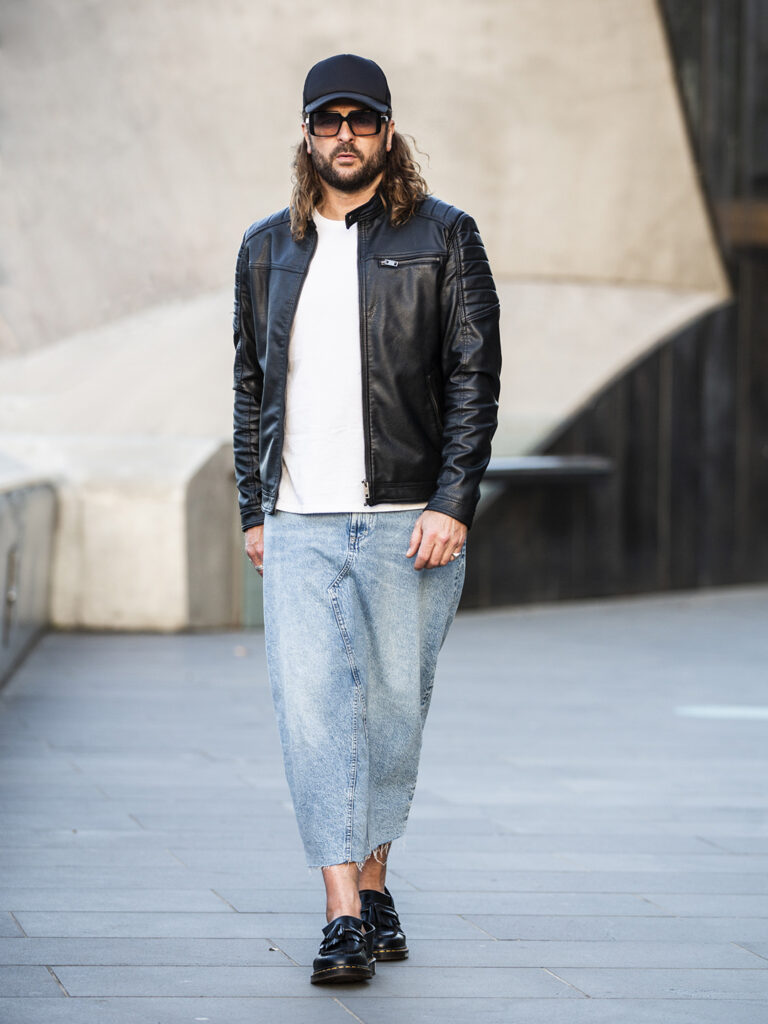
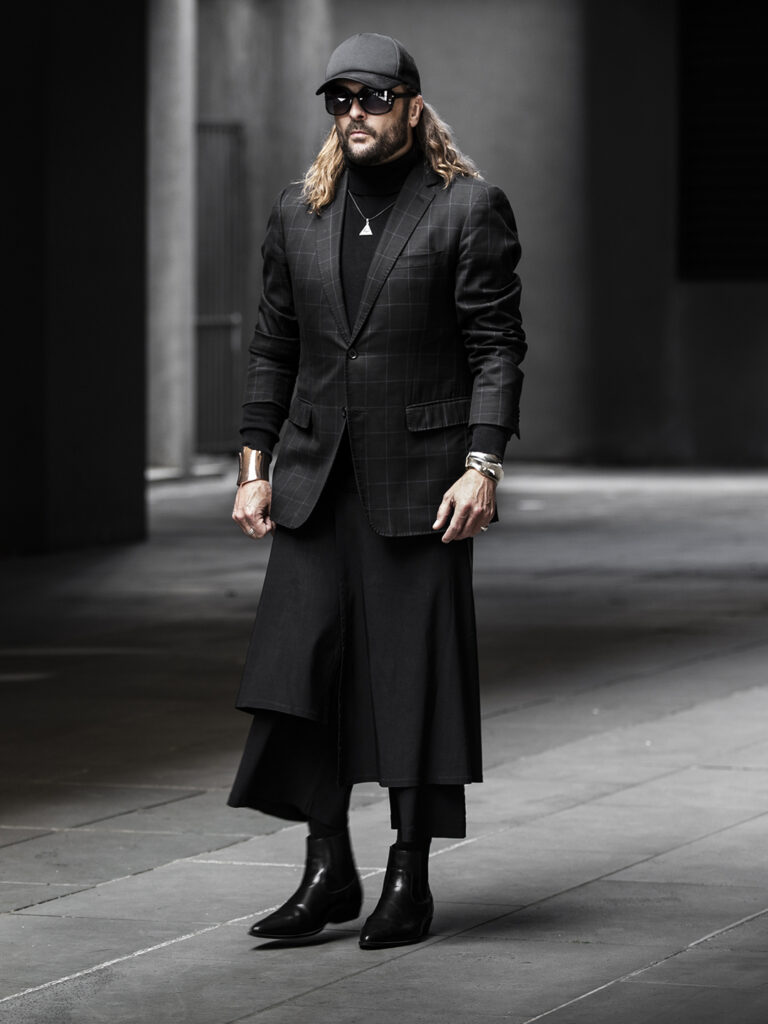
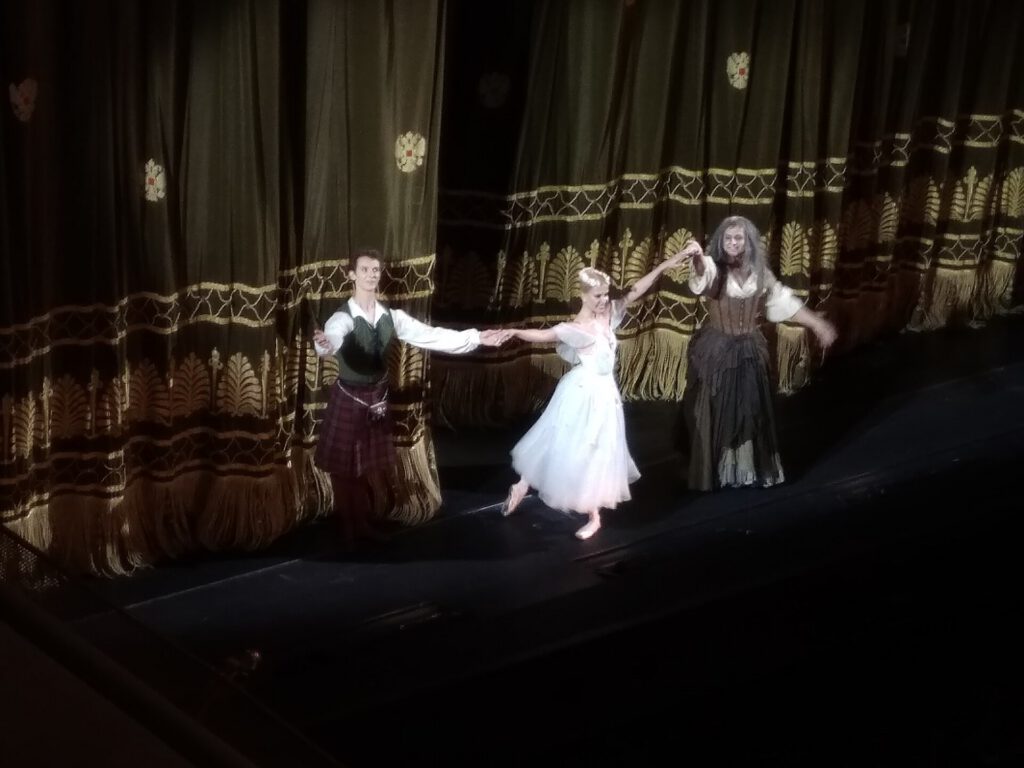
Prince Wilhelm’s childhood kilt and the long tradition of formal Highland dress show how strongly context shapes acceptance. A garment can be celebrated in one frame and questioned in another. If context is changeable, it cannot be the sole author of identity.
Bring one hidden part into daylight
Choose one element you have been saving. Not the most dramatic. The most honest. Build around it with familiar pieces so the outfit remains connected to your life. Wear it somewhere ordinary.
Then pay attention to posture. Authentic clothing often changes the body before it changes the mind. Shoulders settle. Movement becomes less managed. You spend less energy supervising yourself.
A wardrobe cannot diagnose you, but it can reveal where permission has been withheld. The unworn clothes are not always asking for an occasion. Sometimes they are waiting for the owner to arrive.
Open the door. Let one of them out.