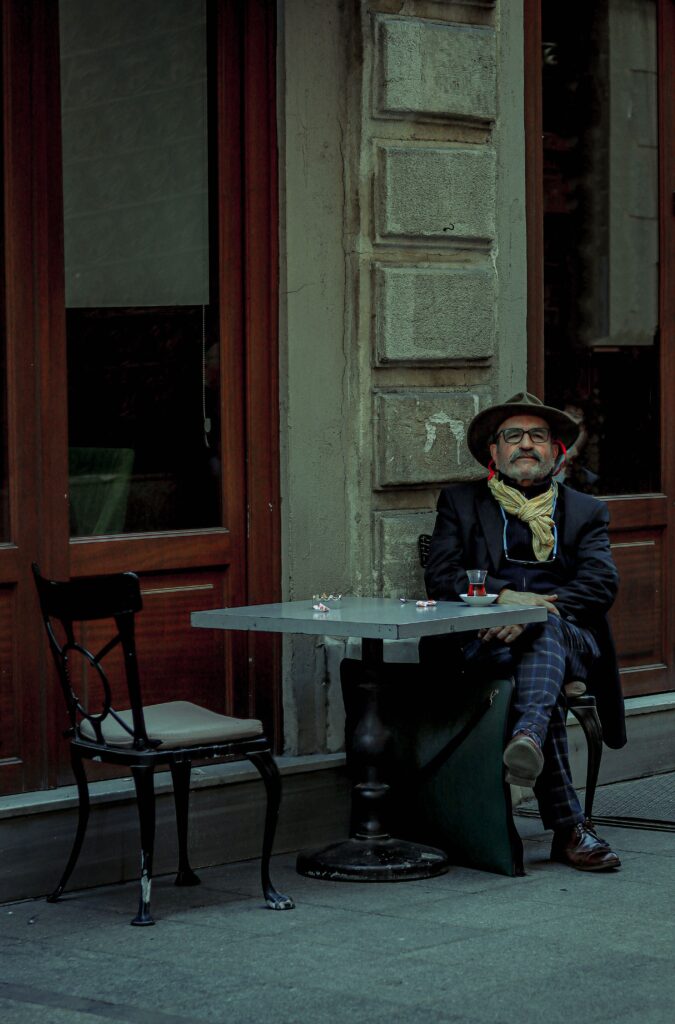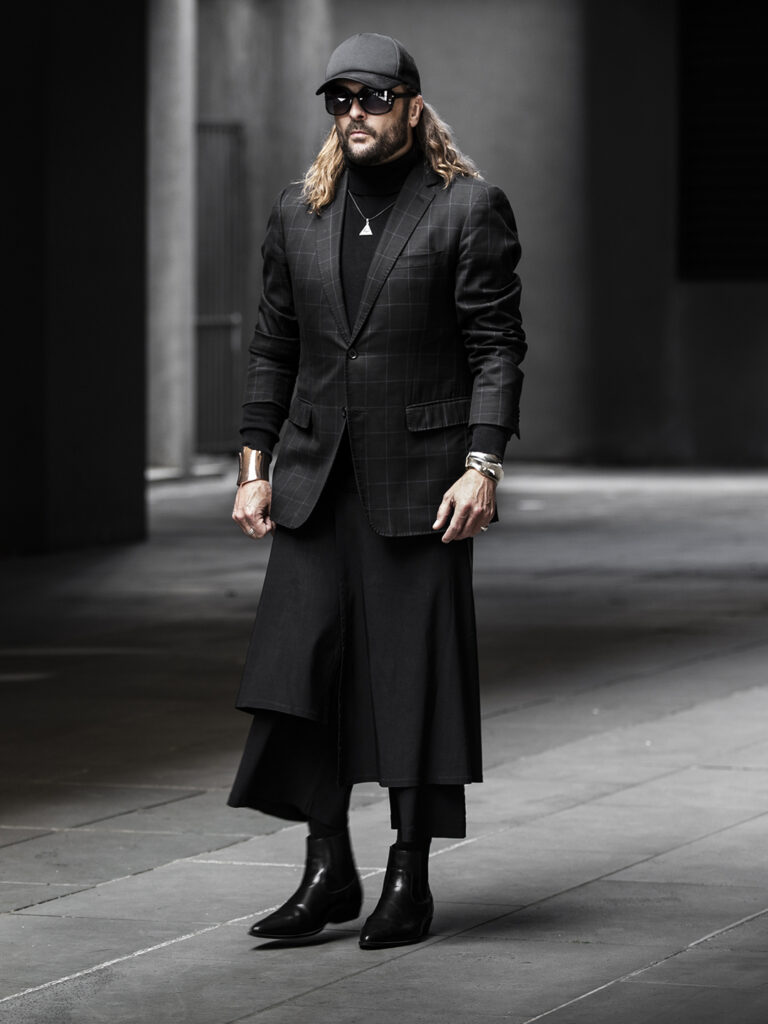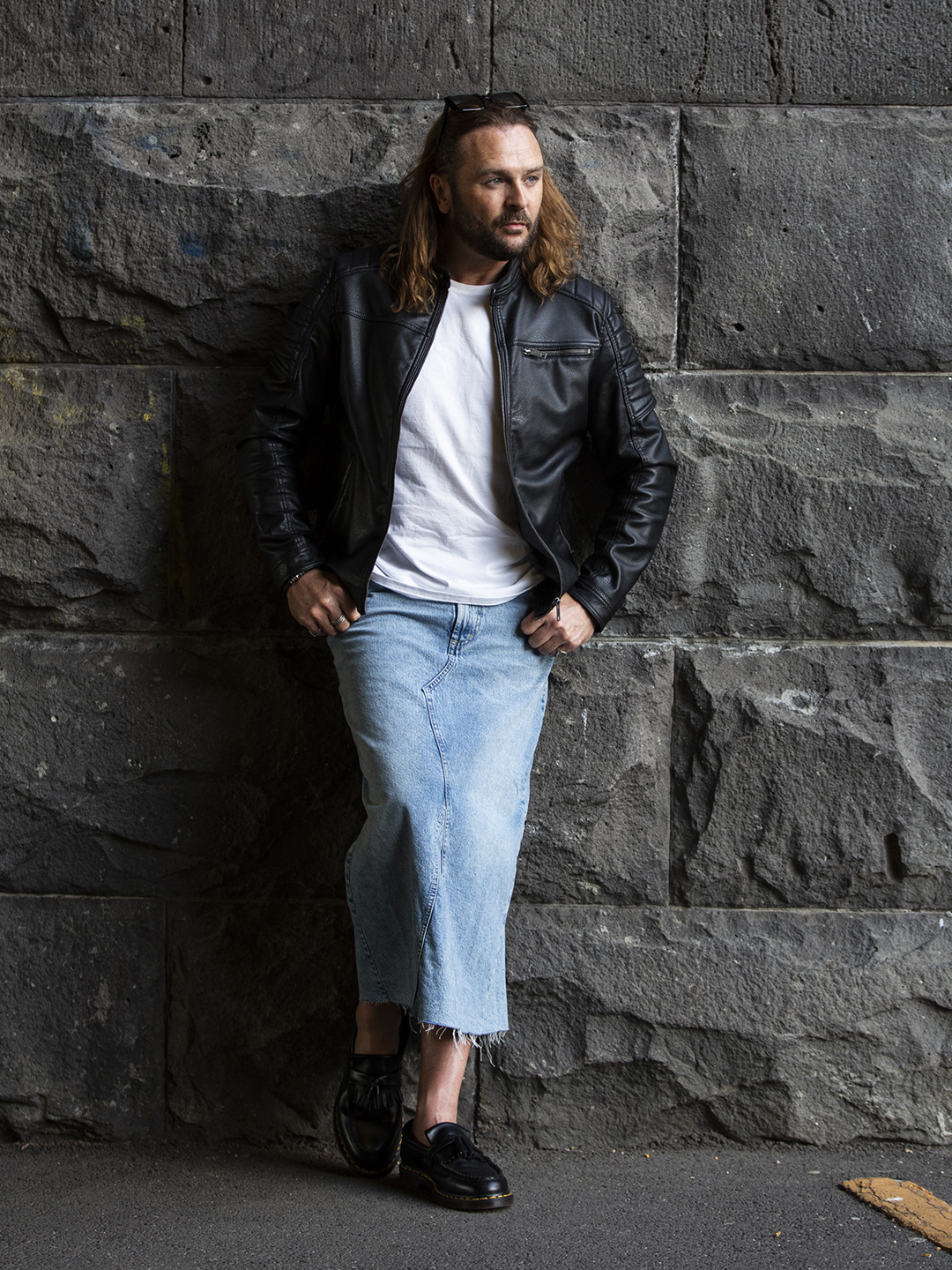
There is a peculiar audience living in many wardrobes. It has no names, no faces and no invitation, yet it approves every purchase before we do.
We imagine this audience on the street, at work, in a café or scrolling online. It may judge the colour, the fit, the price, the age, the body and the confidence of the person wearing it. To stay safe, we edit. The wardrobe becomes less offensive—and less alive.
The imaginary audience is impossible to satisfy
Dress conservatively and somebody will call it dull. Dress boldly and somebody will call it attention-seeking. Spend money and you are vain; save money and you lack taste. The judgement changes because strangers are not a single jury with a coherent standard.
That should be liberating. If universal approval is unavailable, it is an irrational design brief.
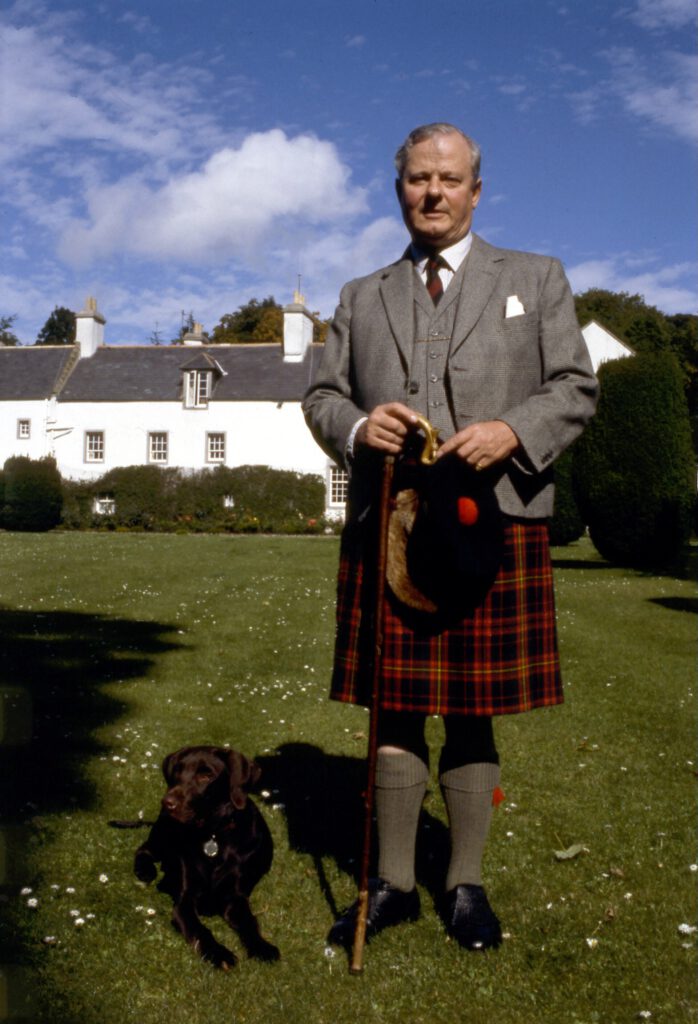
The late Duke of Fife wearing a kilt in a formal portrait looks settled rather than self-conscious. Heritage provided a recognised context, but the visual lesson is broader: an outfit becomes persuasive when the wearer is not negotiating with it.
The quietest confidence is the moment you stop requiring every choice to be understood.
Dress for the life that continues after the glance
A stranger may see your outfit for three seconds. You live in it for the day. You feel whether the waistband is comfortable, whether the colour lifts you, whether the silhouette gives you energy and whether the person in the mirror feels present.
Why give the three-second glance more authority than the eight-hour experience?
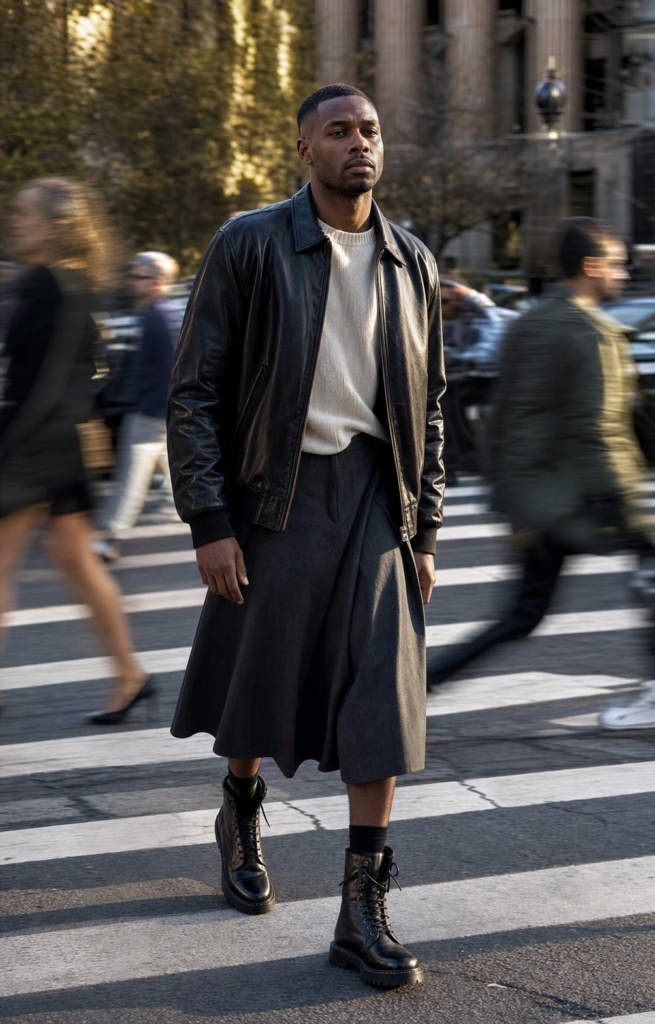
This does not mean ignoring context. Personal style still communicates respect, intention and awareness. What it means is refusing to confuse consideration with disappearance. You can dress appropriately without dressing anonymously.
A practical audit
Open your wardrobe and identify three things you rarely wear. For each one, ask whether the problem is fit, function or fear. Fit can be altered. Function can be reconsidered. Fear needs exposure.
Wear one feared item with a dependable outfit. Choose a place you know. Notice who actually reacts, rather than who you predicted would react. Record the evidence honestly. Most of the catastrophe will have happened only in advance.
The strangers will keep walking. You will keep living. Dress for the person who comes home with you.