Almost thirty years ago, I was riding a Vespa around a Greek island and getting badly sunburnt. A roadside shop sold sarongs. I bought one, wrapped it around my waist and felt something I would remember long after the holiday: freedom.
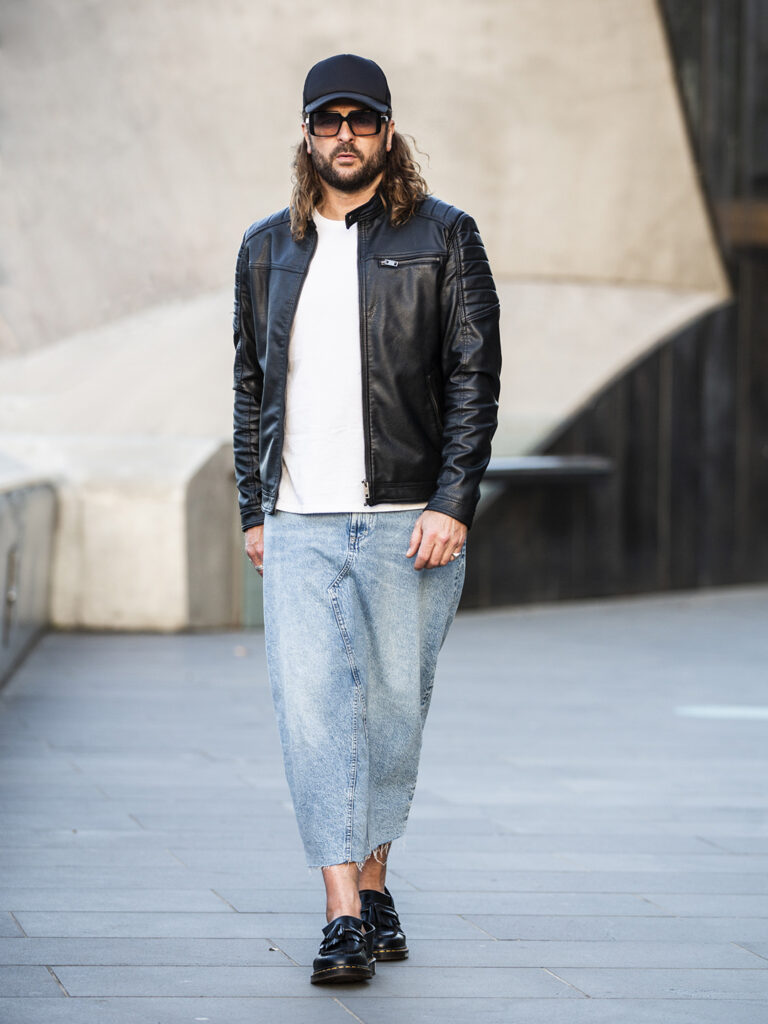
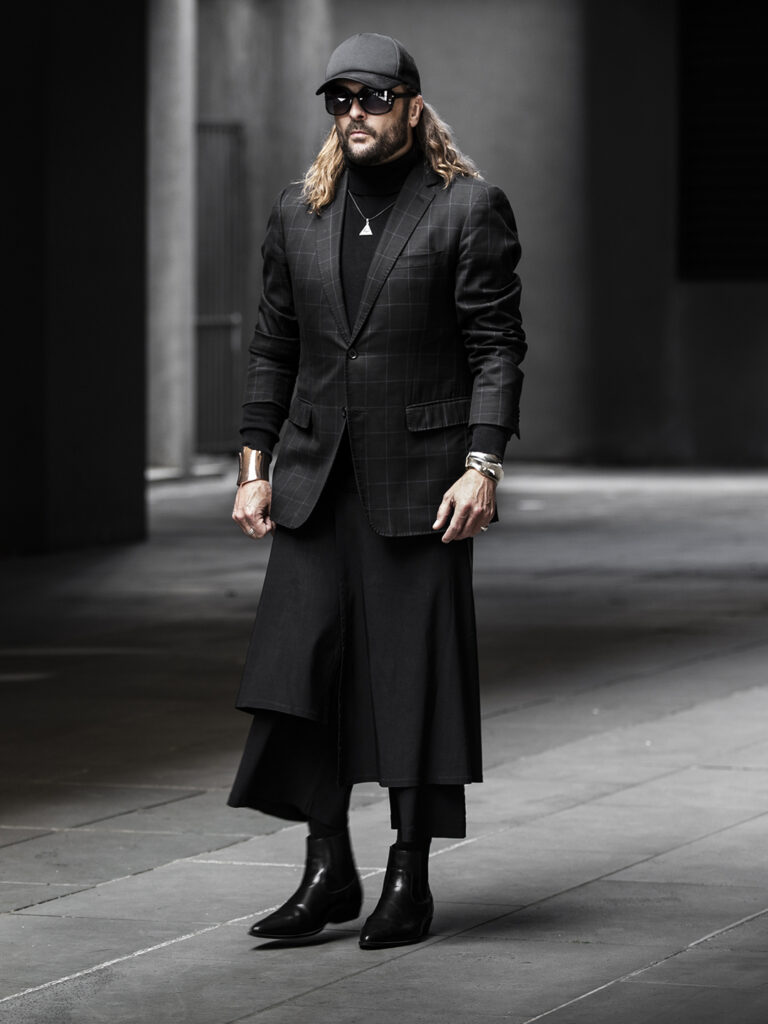
At the time, I did not turn it into a theory about gender or fashion. It was practical, comfortable and entirely right for the moment. That memory returned during the Melbourne lockdowns. When the city reopened, I visited an op shop, found several skirts I genuinely liked and began styling them with the clothes I already understood—boots, shirts, leather and tailoring.
The modern rule is not the historical rule
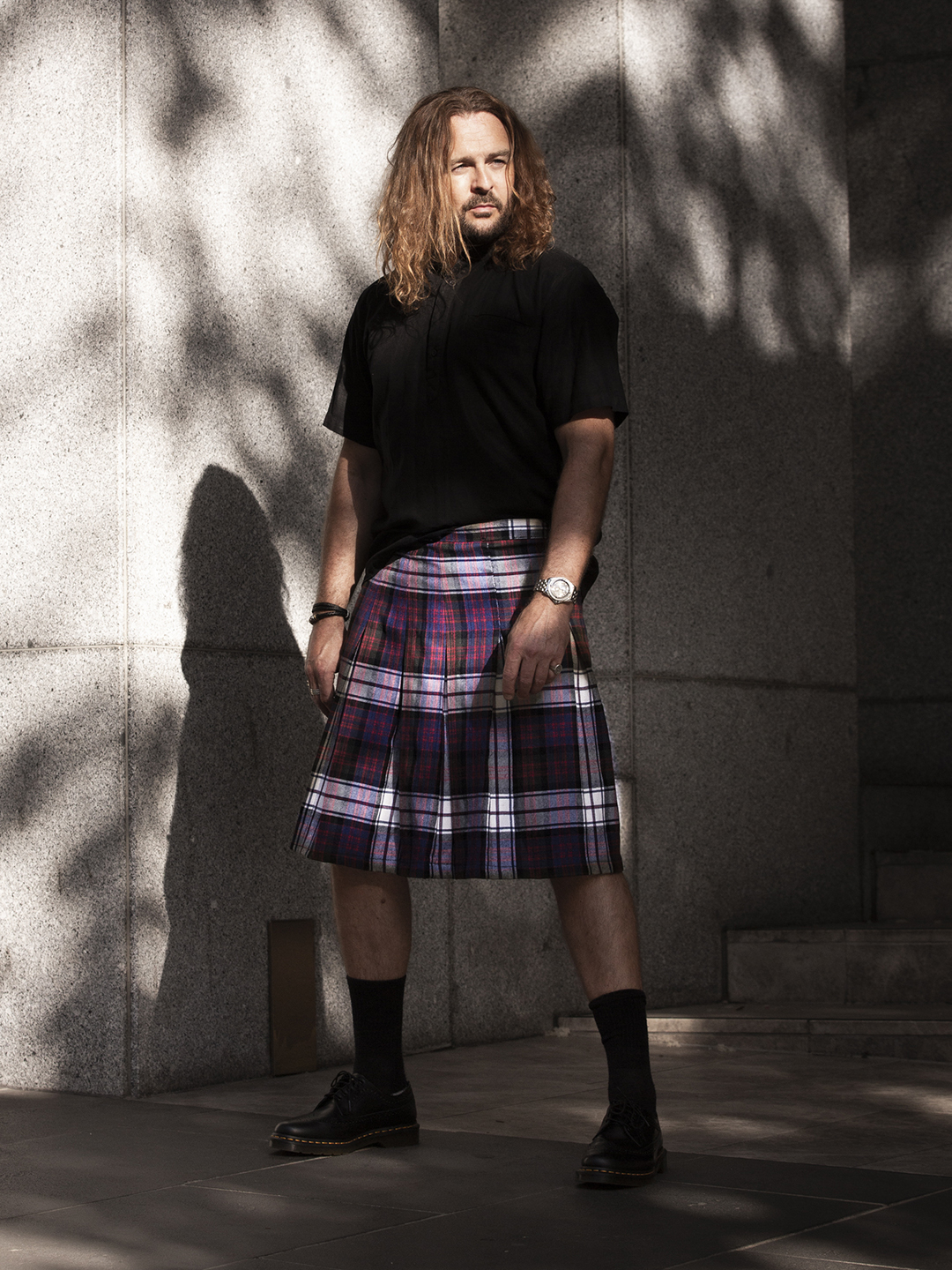
Men have worn unbifurcated garments across continents and centuries: sarongs in South and Southeast Asia, kilts in Scotland, robes and tunics throughout Europe, Africa and the Middle East, and ceremonial garments in countless cultures. The strict department-store division between “menswear” and “womenswear” is not a universal truth. It is a retail system with a short memory.
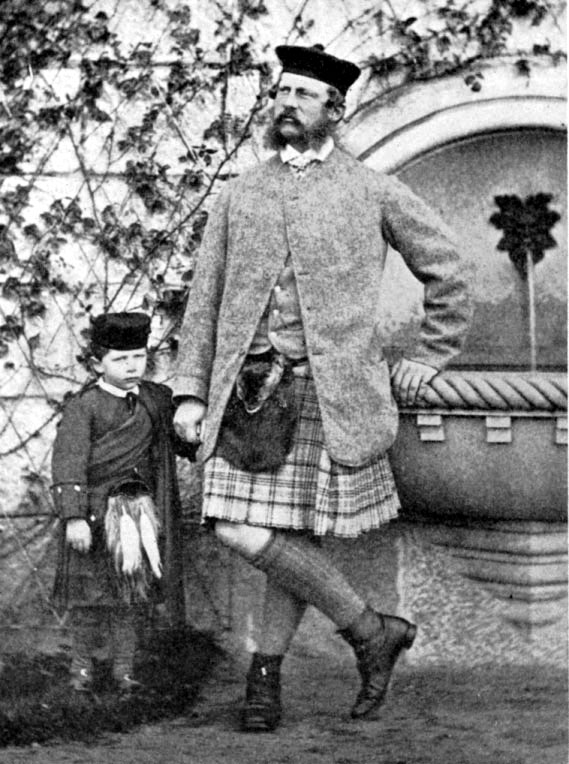
The 1863 portrait of Crown Prince Frederick of Prussia and the young Prince Wilhelm at Balmoral shows how a kilt could signal heritage, status and masculine dress. Nobody needed to pretend the garment had trousers hidden inside it. Context made the meaning legible.
That is still how fashion works. We accept a kilt at a wedding, a sarong on holiday, a robe in ceremony and a tunic in history. Then we become strangely confused when a contemporary man wears a skirt on an ordinary street. The garment has not changed. The context has.
Fashion history is not asking men to wear skirts. It is reminding us that the ban was never as timeless as we were told.
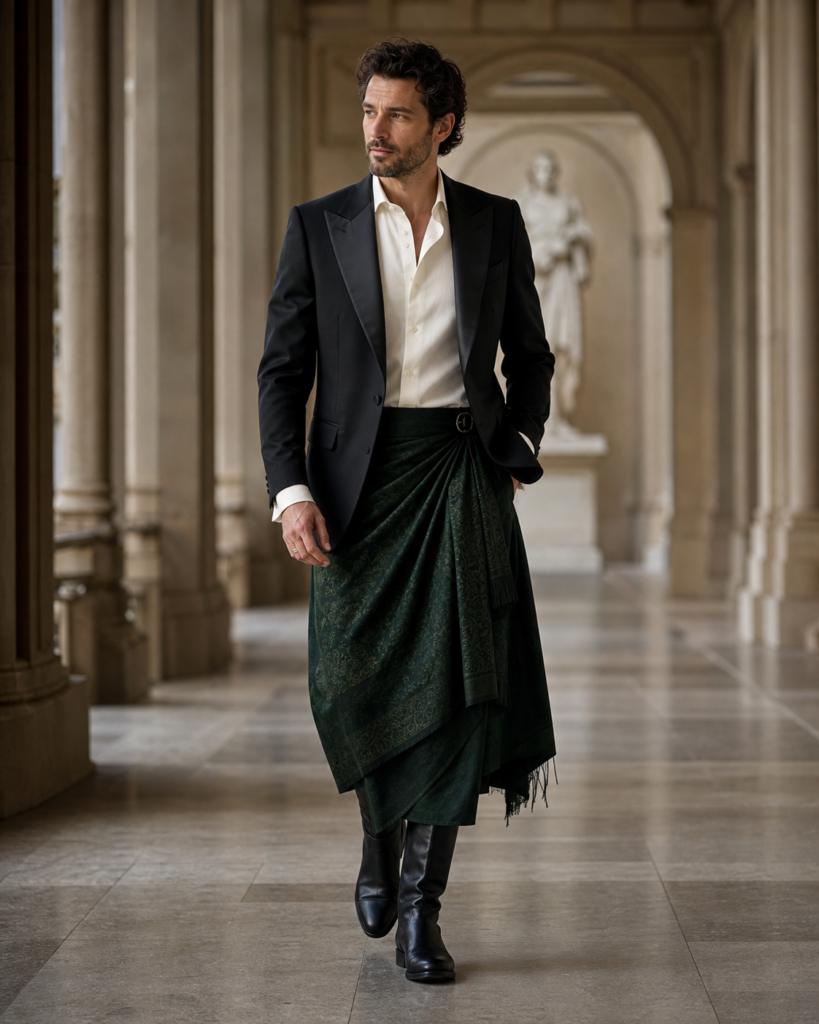
Red carpets make possibility visible
Contemporary designers and public figures have brought skirted menswear back into the mainstream conversation. Red carpets provide spectacle, but the more interesting change happens afterwards: somebody sees a silhouette they had never considered, then translates the idea into ordinary life.
My version is personal. I combine skirts with pieces that make sense to me, creating a silhouette that feels masculine, comfortable and complete. I call the skirt my “Cape of Confidence” because it represents the moment I stepped beyond peer pressure—not because the garment contains magic.
History gives us permission to ask better questions
Instead of asking, “Is this garment for men?”, ask: Does it fit? Does it function? Does it express something true? Can I style it in a way that feels like me?
Those questions are practical, creative and adult. They move us beyond a label sewn into a waistband. Men have always worn skirted garments. The newest part of the story may simply be that more of us are choosing them for ourselves.